SYSTEMS OF INVESTIGATION AND INTERVENTION

REHABILITATION ON EXISTING BUILDINGS

WITHOUT CHEMICAL INTERVENTIONS

TAX BENEFITS

SYSTEMS OF INVESTIGATION AND INTERVENTION
REHABILITATION ON EXISTING BUILDINGS
WITHOUT CHEMICAL INTERVENTIONS
TAX BENEFITS
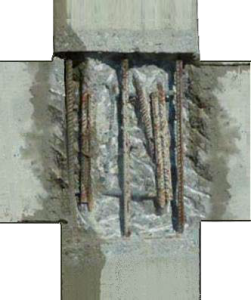
‘The Hierarchy of Resistances’ dictates that the node is the strongest element of the structural complex and therefore the last to yield in the event of an earthquake. La mancanza di staffe o il loro errato posizionamento, specie nelle strutture datate, posiziona il nodo al grado più basso della gerarchia esponendo l’intera struttura ai ben noti pericoli ed alle più note, tristi conseguenze. The lack of confinement in structural nodes and the use of poor concrete, determine, during the seismic event, the creation of plastic hinges that (if located in particularly sensitive points of the structure such as nodes) cause the sudden and unpredictable collapse of the building.
Our structural reinforcement systems have been designed to overcome these widespread problems, integrating the reinforcement of reinforced concrete structural nodes and also resulting in better confinement and greater resistance under the action of the earthquake.
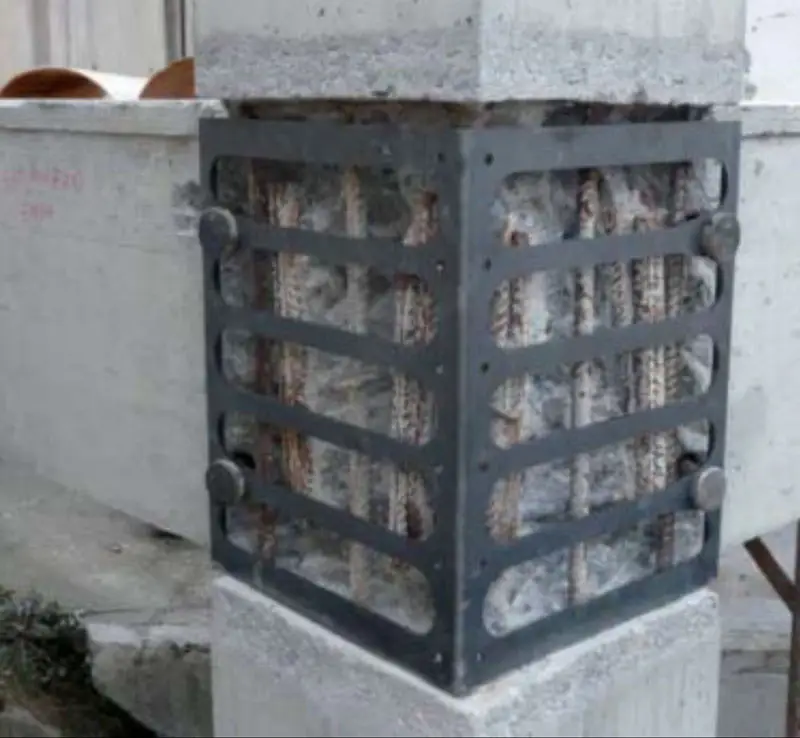
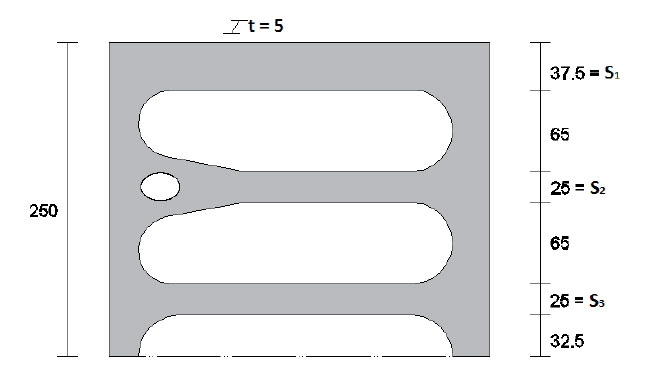
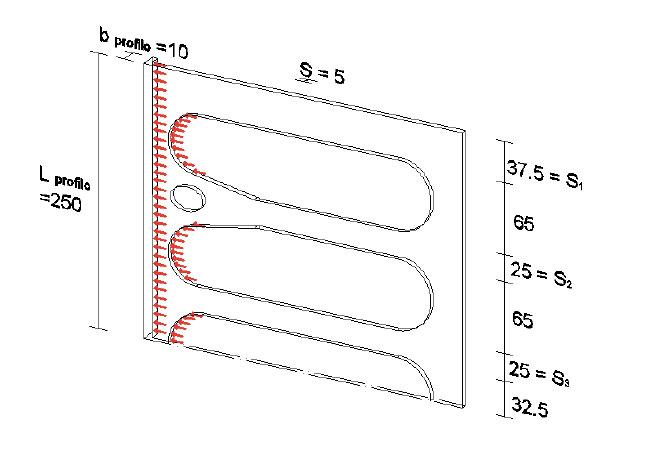
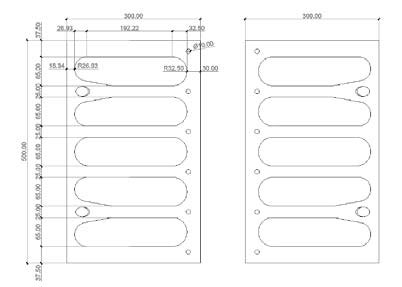
The system involves the ad hoc design of steel inserts with specific characteristics and different thicknesses and shapes, which are applied to the structural element to be reinforced after removal of the iron cover.
By means of special anchors of determined dimensions and angle, the inserts are fixed and subsequently covered with mortar to reconstitute the previously removed iron cover. The reinforcement intervention therefore does not entail any change in the stiffness of the building and even less so in the masses of the load-bearing structure. The speed of installation, the minimal invasiveness and the absolute absence of interference with the usability of the building, allow the application of the kits without special precautions even during normal use of the building and without interfering with its use. They do not involve the breaking of infills, as required by other systems on the market.
The application determines the solidification of the reinforcements, the optimal confinement of the concrete and the elimination of misalignment of the reinforcements under seismic action. The kits are manufactured using S355 type steels that comply with the standard.
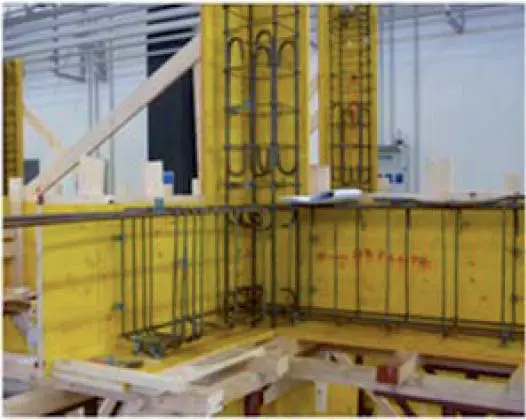
In our study and experimentation campaign carried out at the University of Bergamo (under the supervision of Prof. Ing. Paolo Riva), we recreated the real conditions of typical 1970s structures by constructing 1:1 scale models and subjecting them to the necessary tests to establish their behaviour under earthquakes.
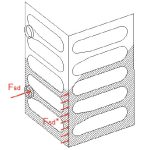
As shown in the figure, the sample studied is representative of a corner node composed of a main beam with a section of 30×50 cm, a net span of 195 cm, and a secondary beam stump of 65 cm; the pillar (with a section of 30×30 cm) has a total height of 3 metres.
Both beams and pillars are braced with plain reinforcement with a diameter of Ø6 for pillars and Ø8 for beams; the brackets are closed with 90° hooks according to the construction dictates of the time, instead of 135° as required by current seismic standards. The stirrups, as was the construction practice in the 1970s, do not continue into the nodal panel, where the only reinforcement present is the longitudinal reinforcement of the beams and the abutment that converge there.
The longitudinal bars are made of plain steel and anchored with hooks bent at 180°; one can distinguish the hook anchorages of the bars from the beams converging in the node, and the anchorages of the bars inside the abutment, in correspondence of the casting shot between one floor and the other of the structure.
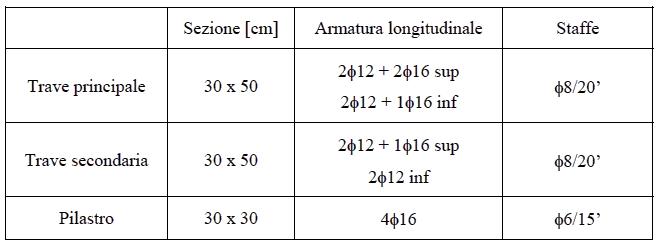
The geometric characteristics and arrangement of the reinforcement for the ‘70s’ sample are shown in the figure.
These characteristics relegate the node to the lowest point on the ladder of the hierarchy of resistances, making it - contrary to the requirements of the standard - the weakest part of the structure and the least suitable for guaranteeing an adequate earthquake response. In addition to the previously mentioned problems of node bracing, there are many factors that call into question the anti-seismic properties of almost all reinforced concrete structures built in the 1950s-1970s.
Most of these buildings are unable to withstand seismic actions due to a number of fundamental deficiencies.
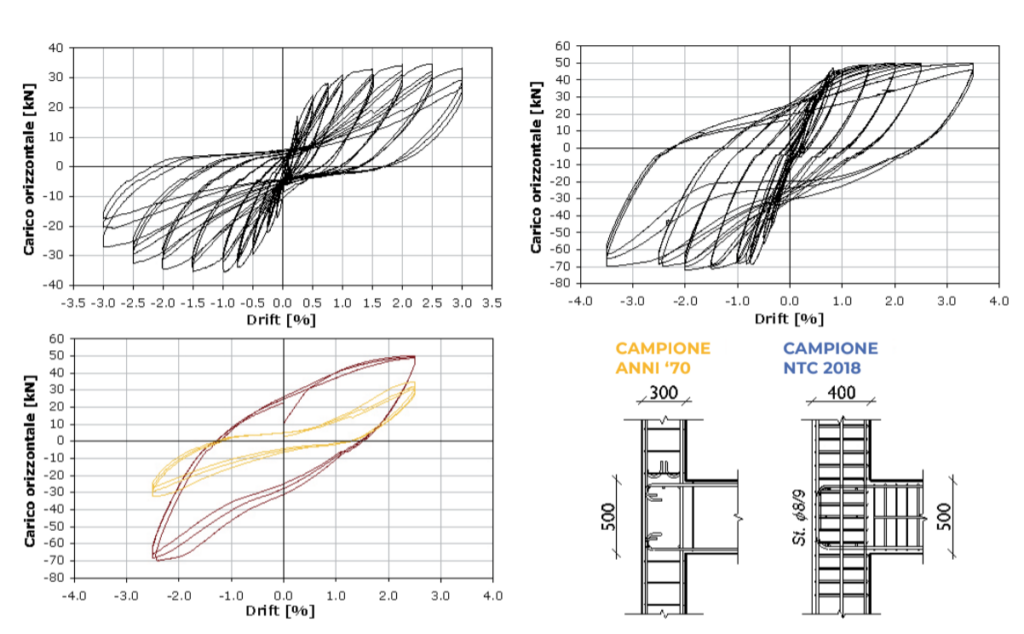
Structural elements lacking stirrups or built with poor quality materials can be rehabilitated thanks to the application of our systems with a considerable increase in strength and ductility and - in the case of the node - achieving the main objective of returning it to the top of the hierarchical scale of resistance. In order to maximise the beneficial effect of the described system, a calculation algorithm has been developed in conjunction with the University of Bergamo that allows our Kits to be ‘calibrated’ to the geometric characteristics and reinforcements of each specific structural element.